Shrimp Problems & Troubleshooting (Fixes That Work)
Clear, beginner-safe fixes for the most common Neocaridina / Blue Dream shrimp issues — deaths after water changes, failed moults, hiding, not breeding, cloudy water, algae, and pests.
Start here (fast diagnosis in 60 seconds)
Check these first
- Ammonia / Nitrite: must be 0 (if not, stop feeding and stabilise ASAP).
- Temperature swing: did the tank drop or spike suddenly?
- Recent changes: big water change, new substrate, new product, meds, sprays?
- Overfeeding: leftover food, cloudy water, worms/pests, smell?
- Filter: was it cleaned too hard or turned off?
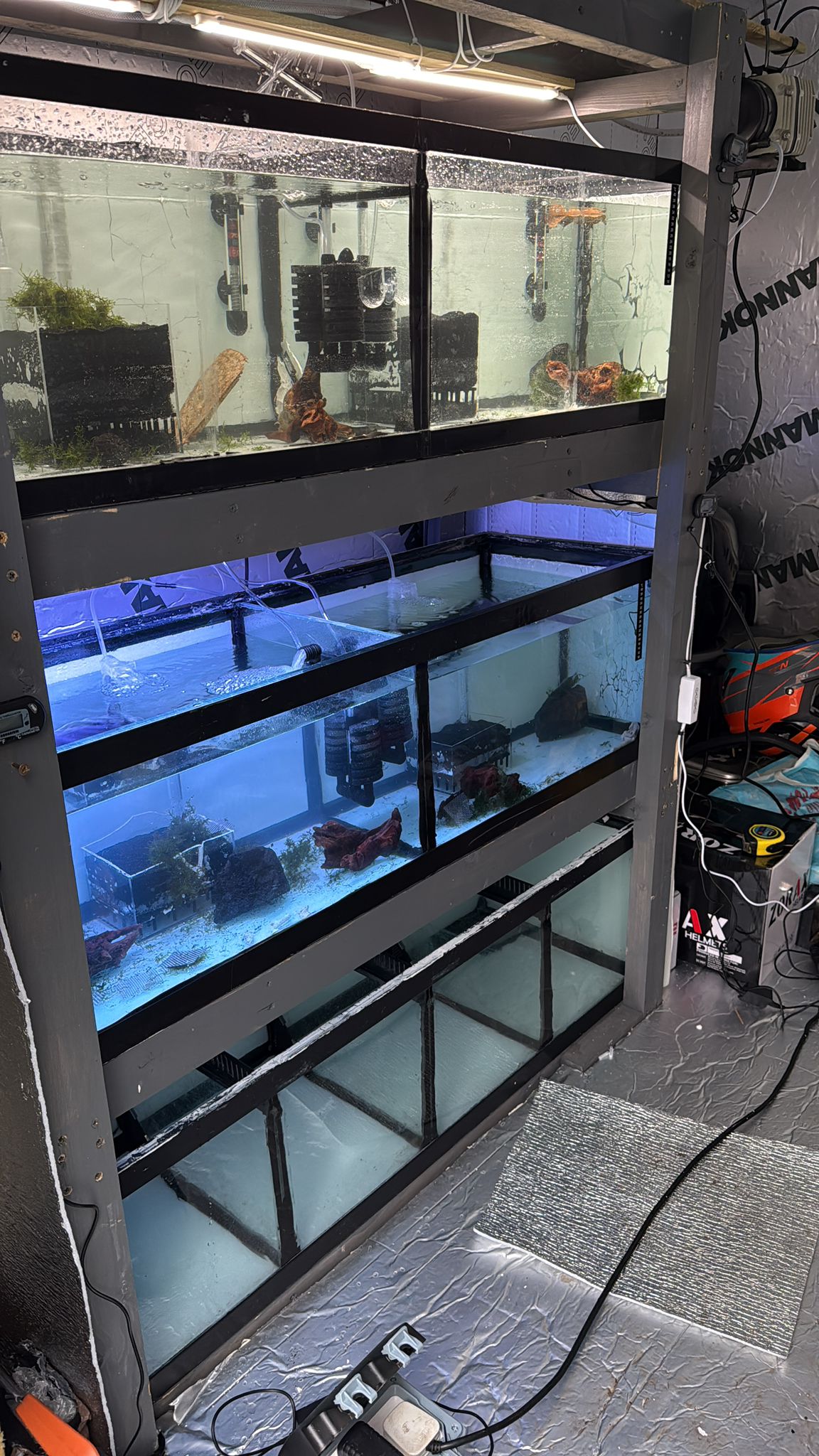
Problem 1: Shrimp dying after a water change
This is one of the most common issues. Usually it’s not the water change itself — it’s the difference between old and new water (temperature, GH/KH, or TDS).
Likely causes
Temperature mismatch, big GH/KH swing, big TDS swing, too large water change, or stressing a new/unstable tank.
Problem 2: Failed moults / shrimp stuck in shell
Failed moults are almost always linked to mineral stability (GH) and sudden changes.
- Check GH stability (don’t jump it suddenly).
- Avoid massive water changes (sudden mineral shifts).
- Keep feeding light but consistent (minerals + chitin sources help).
- Stability over “perfect numbers”.
Problem 3: Shrimp hiding all day
Likely causes
New shrimp settling in, stress from predators (fish), strong flow, sudden light changes, or unstable parameters. Sometimes it’s normal after a move or water change.
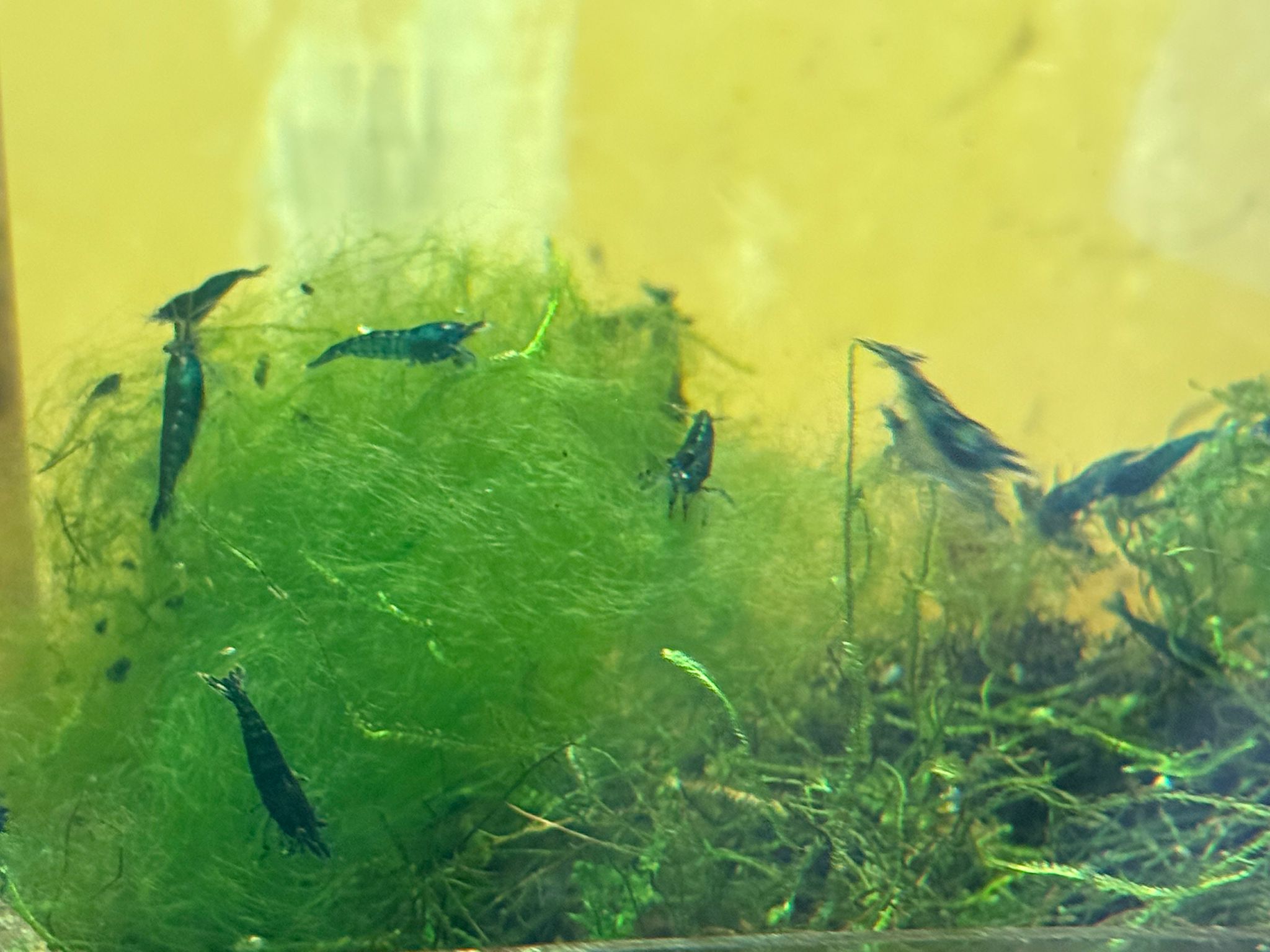
Problem 4: Shrimp not breeding
- Tank too new: not enough biofilm/micro-food.
- Stress: fish, strong flow, constant changes.
- Swings: big water changes and fluctuating temperature.
- Nutrition: underfeeding or poor variety.
Problem 5: Cloudy water after feeding
Likely causes
Overfeeding (especially powders), bacterial bloom, disturbed substrate, or an immature tank.
Problem 6: Algae explosion
- Reduce lighting time (or intensity) gradually.
- Feed less (excess food fuels algae).
- Add fast-growing plants or floaters.
- Do small, steady maintenance — don’t strip the tank bare.
Problem 7: Planaria / hydra / worms
Most pest problems start with overfeeding. The tank becomes a buffet for everything.
- Reduce feeding immediately and remove leftovers.
- Increase manual removal (siphon, traps).
- Keep tank cleaner, but don’t crash it with huge changes.
- Be cautious with treatments — shrimp are sensitive.
Problem 8: Sudden deaths with no warning
Most common hidden causes
Aerosols/chemicals (cleaners, sprays), copper exposure, heater malfunction, filter crash, or an ammonia/nitrite spike in a “not fully cycled” tank.
Need shrimp that actually thrive?
I breed Blue Dream juveniles in Liverpool and ship UK-wide. If your tank is cycled and stable, you’re ready.
Shipping is included in my prices. Small-batch drops while stock lasts.
FAQ
What is the #1 cause of shrimp deaths?
An uncycled/unstable tank and sudden parameter swings (especially after water changes). Stability fixes most problems.
How often should I change water in a shrimp tank?
Small and consistent is best: often 10–20% weekly/fortnightly depending on tank load and stability. Avoid big changes unless there’s a real emergency.
Why do my shrimp hide right after I add them?
Normal stress/settling, lighting, or parameter differences. Keep lights low and don’t overfeed. In a stable tank they’ll start grazing openly.
Go back to: Beginner Setup · Water Parameters · Acclimation · Feeding · Breeding