Blue Dream Shrimp Setup Guide (UK)
A simple, step-by-step guide to setting up a Blue Dream Neocaridina shrimp tank in the UK — tank size, cycling, filtration, plants/moss, water stability, and how many shrimp to start with.
Step-by-step: the easiest Blue Dream shrimp tank setup
If you’re searching “how to set up a shrimp tank”, “Blue Dream shrimp care”, “Neocaridina setup UK”, or “best tank for shrimp”, this is the simple method that works for most people.
1) Choose a tank size (what size tank for Blue Dream shrimp?)
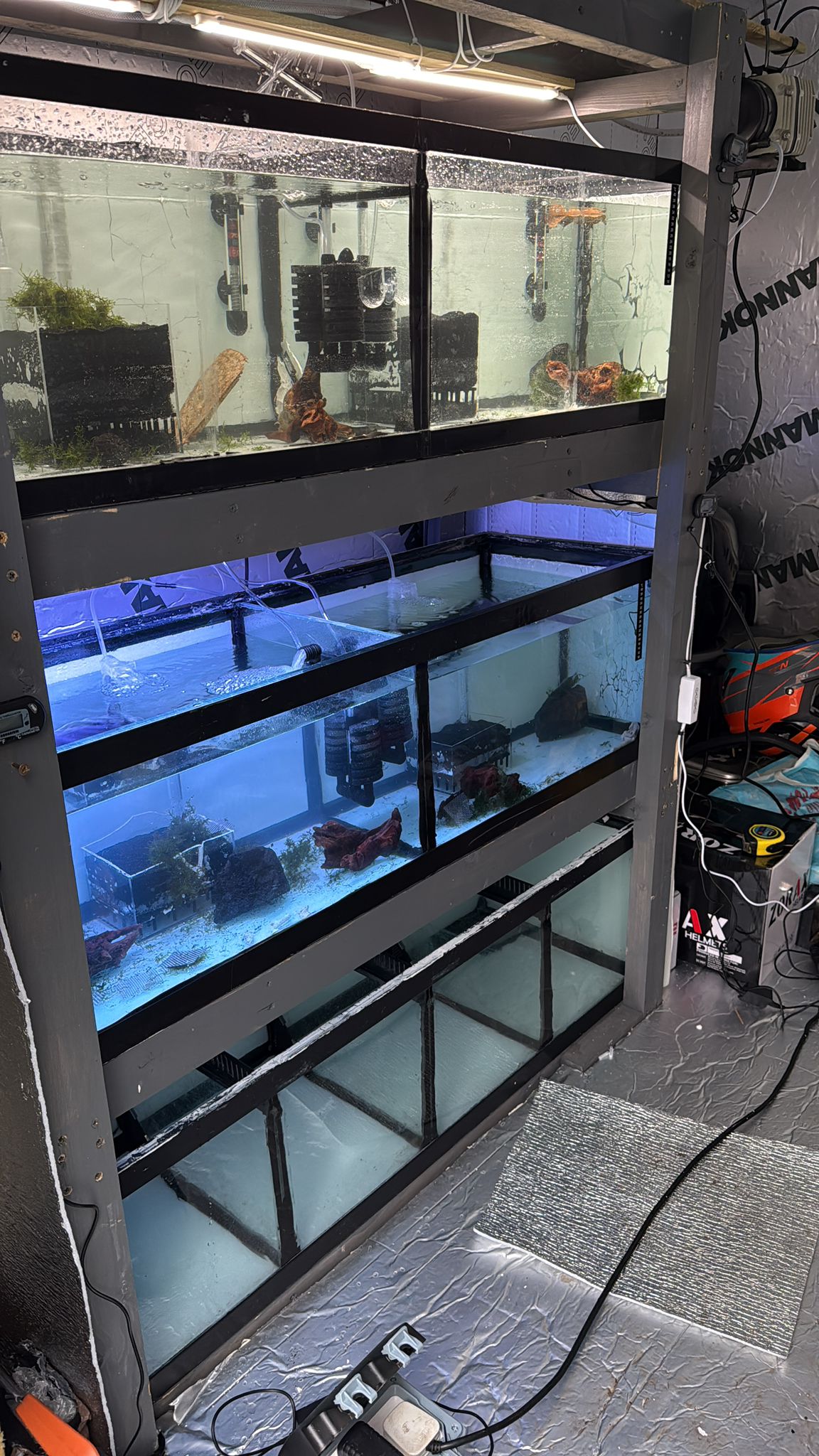
- Best beginner size: 20–60 litres (more stable, easier to keep shrimp alive).
- Small tanks (10–20L): doable, but water swings faster (temp + parameters).
- Nano tanks (under 10L): not ideal for beginners — stability is harder.
Why bigger is easier: more water = slower changes = fewer shrimp deaths.
2) Filter (best filter for shrimp tanks)
- Sponge filter: easiest and safest for baby shrimp (shrimplets).
- Hang-on-back / internal filter: fine if you cover the intake with sponge.
- Gentle flow: shrimp like flow but not a washing machine.
3) Plants, moss & hiding places (what shrimp need to thrive)
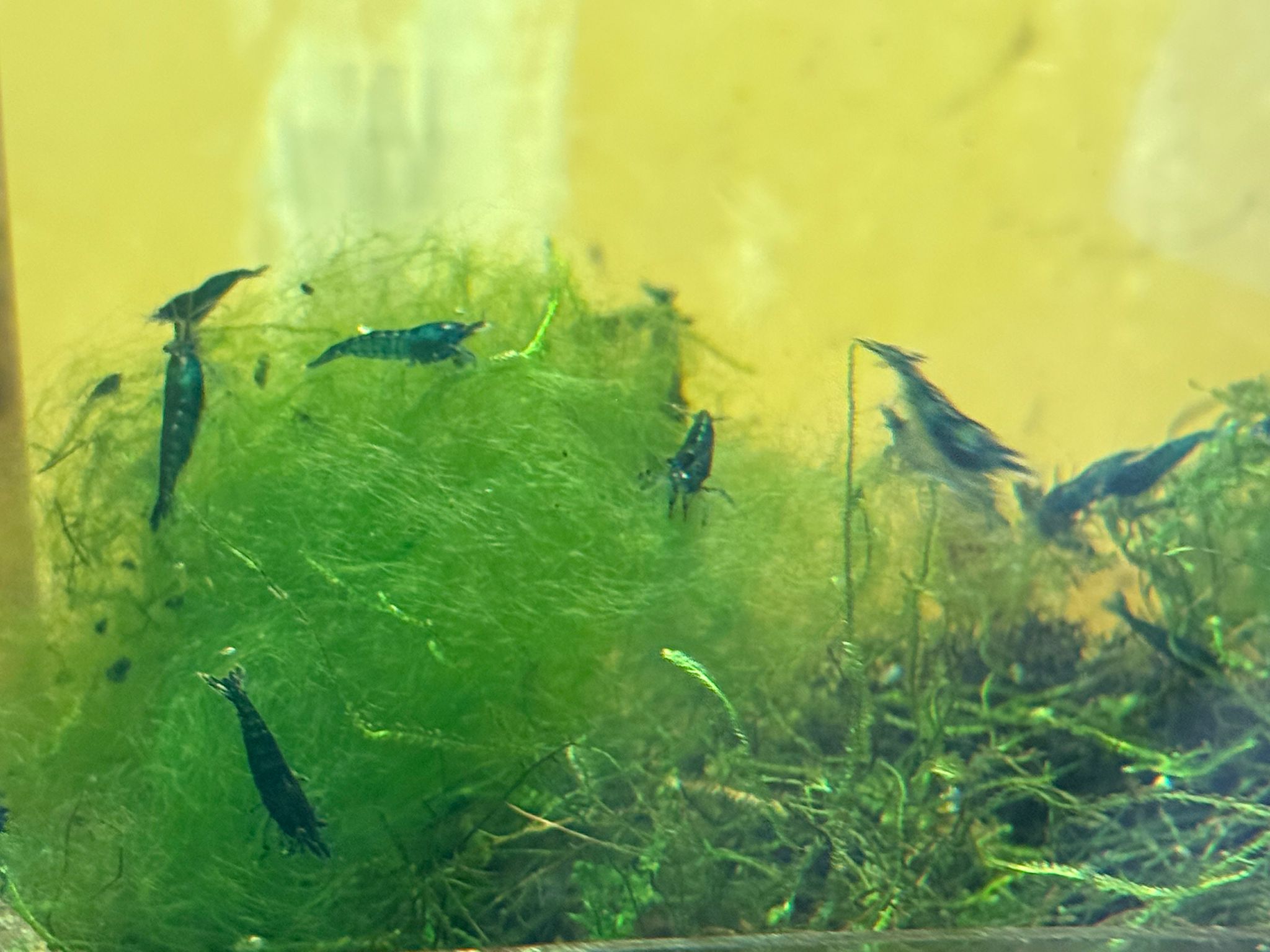
- Moss is king: Java moss / Christmas moss = baby shrimp buffet (biofilm).
- Wood + leaf litter: creates grazing surfaces and natural food.
- Simple plants: easy stems + floaters help keep water stable.
4) Cycle the tank (the #1 reason shrimp die)
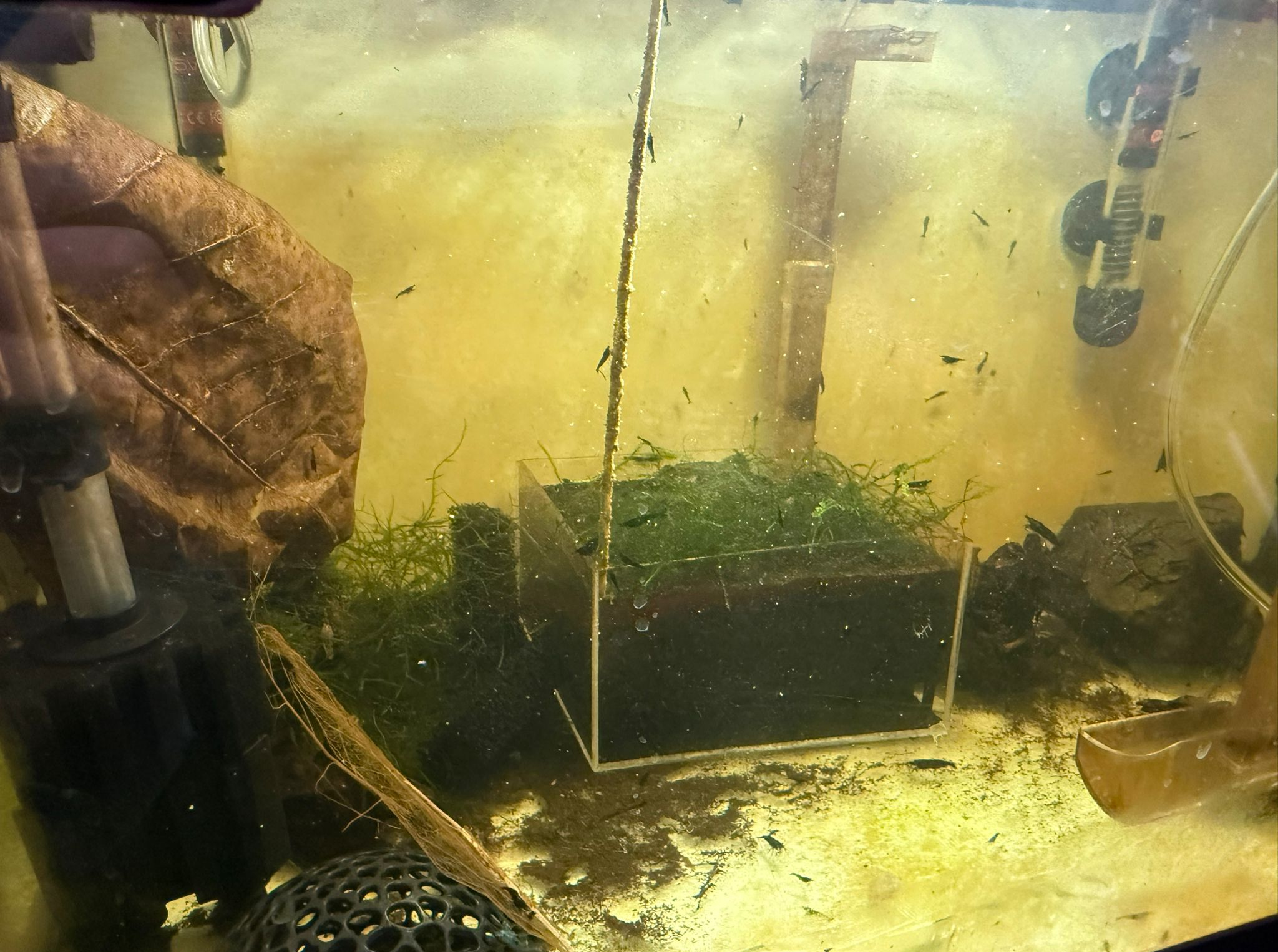
Cycling means building beneficial bacteria so your tank can handle waste. If you add shrimp too early, ammonia/nitrite spikes can kill them.
- Wait 3–6+ weeks before adding shrimp (longer is better).
- Let algae/biofilm grow (shrimp graze constantly).
- Use a liquid test kit if you can: ammonia 0, nitrite 0, nitrate low.
5) Heater (do Blue Dream shrimp need a heater?)
- Ideal: stable 18–24°C.
- UK homes: many tanks sit fine without a heater, but winter swings can be rough.
- Main rule: stable temperature beats “perfect temperature”.
6) Water basics (pH, GH, KH, TDS — what matters most?)
Most beginners obsess over numbers. The real secret is stability. Blue Dream shrimp (Neocaridina davidi) are hardy when water is consistent.
- Stable water beats chasing exact pH.
- Don’t do massive water changes — sudden swings can cause failed moults.
- Top-up vs water change: top-up replaces evaporation; water change removes waste — do both carefully.
7) How many Blue Dream shrimp should I start with?
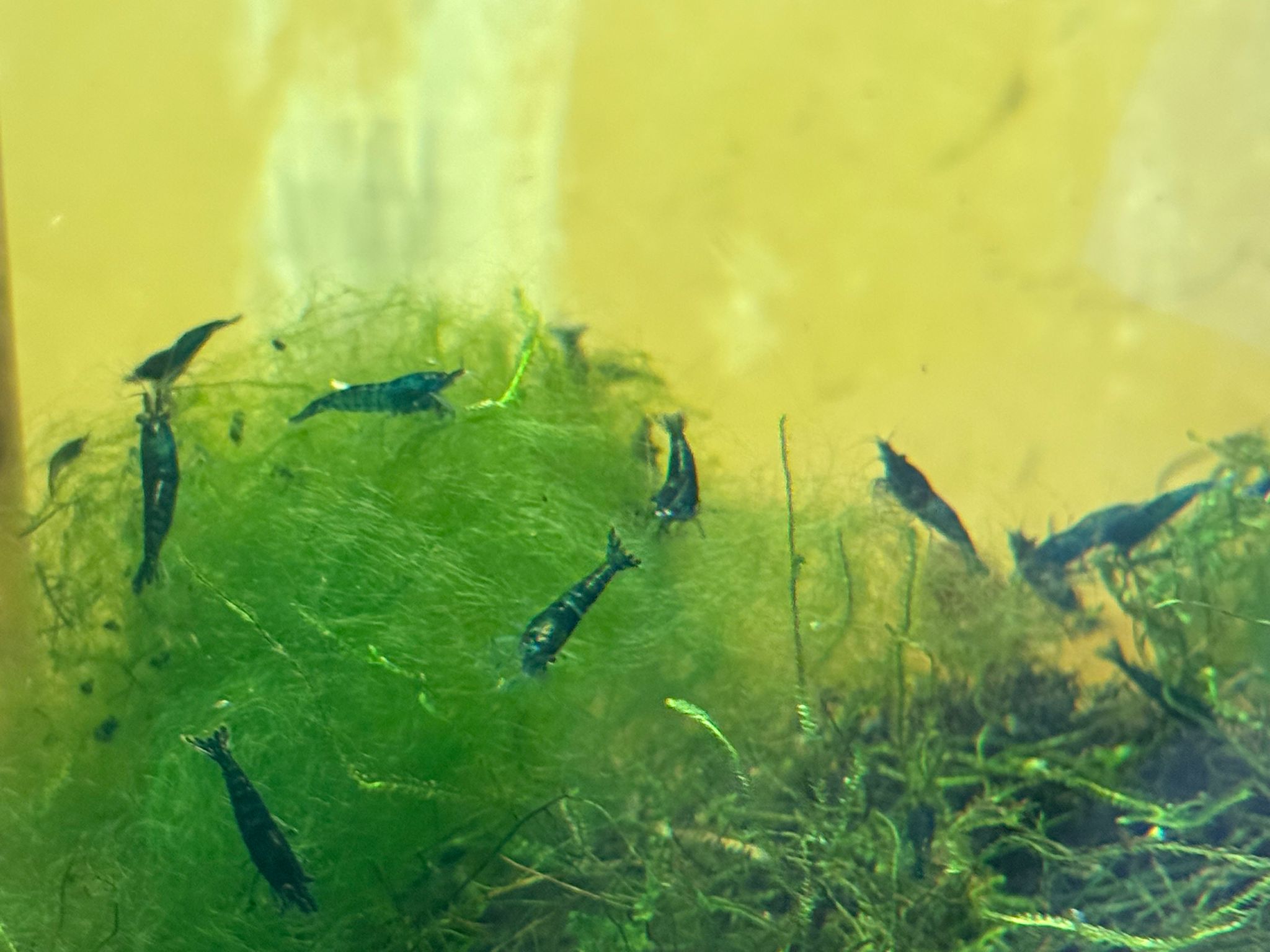
- For a new colony: start with 10–25 shrimp.
- For faster breeding: 25–50+ gives a stronger breeding group.
- For bigger tanks: you can start higher, but still go slow with feeding.
8) Feeding (what to feed Blue Dream shrimp)
- Less is more: feed small amounts, 2–4x per week.
- Let them graze: biofilm/algae is their main “day-to-day” food.
- Overfeeding causes cloudy water and problems fast.
Want UK-bred Blue Dream shrimp?
If your tank is cycled and stable, you’re ready. I breed Blue Dream juveniles in Liverpool and ship UK-wide.
Next-day UK delivery is £4.60, or free on orders over £50. Shrimp are in stock now.
FAQ (the exact questions people Google)
Can Blue Dream shrimp live with fish?
Yes, but baby shrimp get eaten by most fish. If you want breeding success, shrimp-only is easiest. If keeping fish, use lots of moss/hides and choose peaceful nano fish.
Why did my shrimp die after I bought them?
Most common causes are bad acclimation, an uncycled tank, or a big water change / parameter swing. Stable temps + slow acclimation + a mature tank fixes 90% of this.
Do Blue Dream shrimp need an air pump?
If you use a sponge filter, yes (it runs the filter). If you use another filter type, an air pump is optional. Good surface movement and oxygen helps shrimp thrive.
What substrate is best for Neocaridina?
For Blue Dreams, a simple inert substrate (sand/gravel) is fine. Active soils can shift pH/KH and make stability harder. If you do use active soil, keep changes gentle and test your water.
Next guide: Water parameters (UK) — pH, GH, KH, TDS explained simply + what to aim for.